Industries / Beauty & Personal Care
Chairs, suites, and retail — profitable by station.
Booth renters or employees, tips and cash, product versus service — beauty businesses carry compliance risk far out of proportion to their size. We take it off your plate.
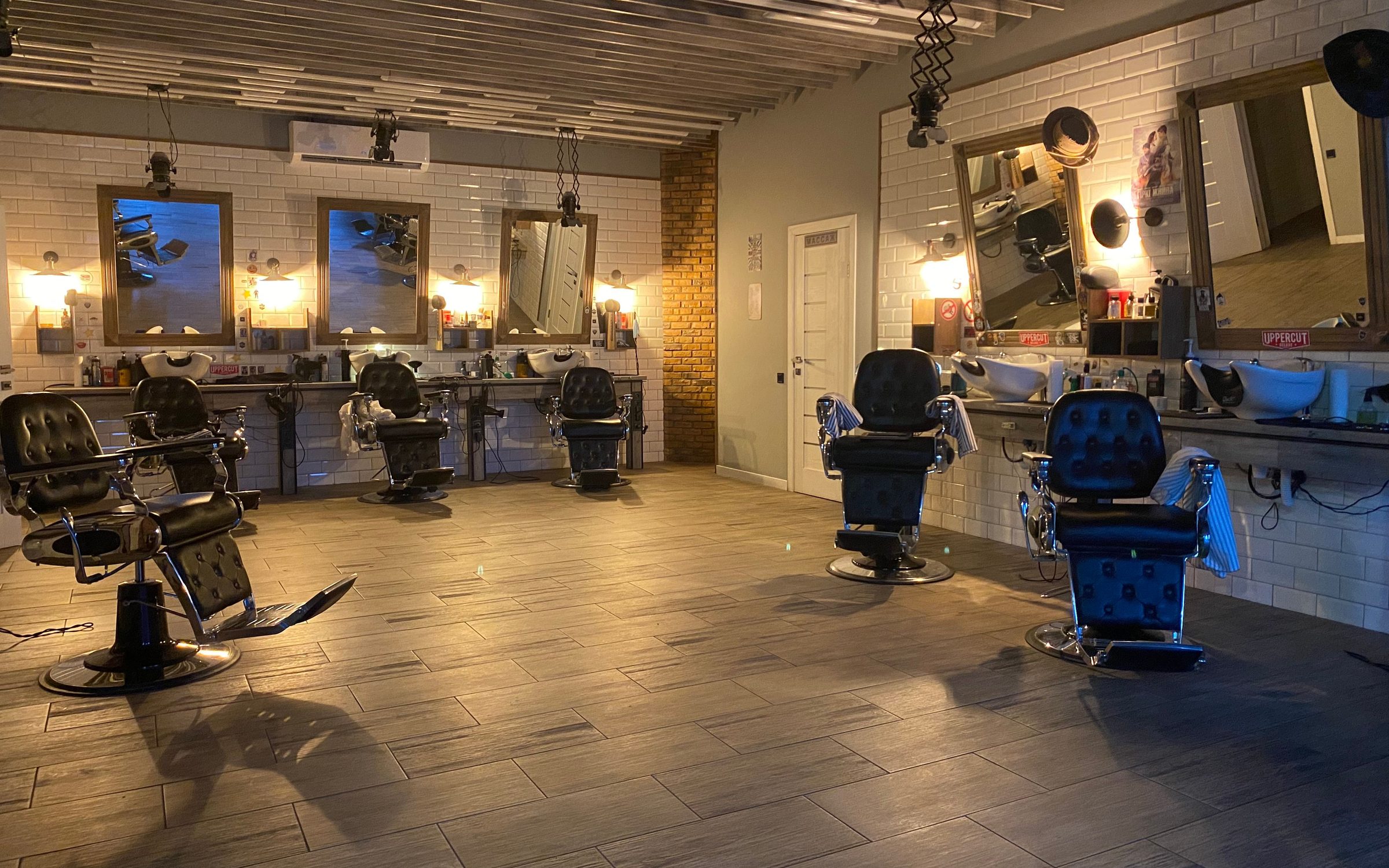
How we help.
Beauty & Personal CareWhat we see on salon and spa books.
Field notesBooth renters who are really employees. This is the single largest exposure in the industry. If you set schedules, prices, or supply the product, a state agency may see an employee regardless of what the agreement says. We review the arrangement and document it properly — before an audit does it for you.
Tips handled informally. Cash and card tips are reportable wages with withholding obligations. Clean tip reporting protects the business and the stylist, and it is straightforward once the process exists.
Retail product taxed wrong. Products are almost always taxable; services usually are not. Mixed tickets need to separate them, and back-bar supplies used in service follow different rules than product sold at the counter.
Med spas with an extra layer. Injectables and medical aesthetics bring licensing, medical-director, and often ownership-structure requirements on top of ordinary salon compliance. Structure that early, with counsel.
In the chair
- Salons & barbershops
- Med spas & aesthetics
- Nail, lash & brow studios
- Booth-rent & suite operators
- Day spas & massage
- Product lines & e-commerce
Profit per chair, per hour, and per product line.
Salon economicsRevenue per available hour is the salon equivalent of occupancy. A station empty on a Tuesday afternoon costs the same rent as a full one, and scheduling — not price — is usually the fastest lever on it.
Service versus retail mix. Retail carries different margin, different tax treatment, and different labor cost than service. Tracked separately, it often turns out to be the most profitable square footage in the building; blended together, it hides both problems and opportunities.
Product cost per service (back bar). Color, extensions, and treatment supplies used in service are a cost of goods that most salons never measure per ticket. Doing so frequently reveals that specific services price below their true cost.
Compensation structure drives everything downstream. Commission, hourly-plus, and booth rent each produce different incentives, different tax and classification exposure, and different retention. Choosing deliberately — and documenting it — is the single most consequential decision in this industry.
What we track
- Revenue per available hour, per station
- Service vs. retail mix and margin
- Back-bar cost per service
- Rebooking and retention rate
- Payroll (or rent) as a share of revenue
FAQs.
Quick answersThe strategy shelf.
Built for Salon & spaEVERY STRATEGY IS MODELED AGAINST YOUR NUMBERS BEFORE WE RECOMMEND IT — THE FIRST CONSULTATION IS FREE.
Available at every office.
And everywhere elseWork with a local advisor in person, or run the whole engagement remotely — same team, same portals, same standard.